Service
Radiology & CT Scan
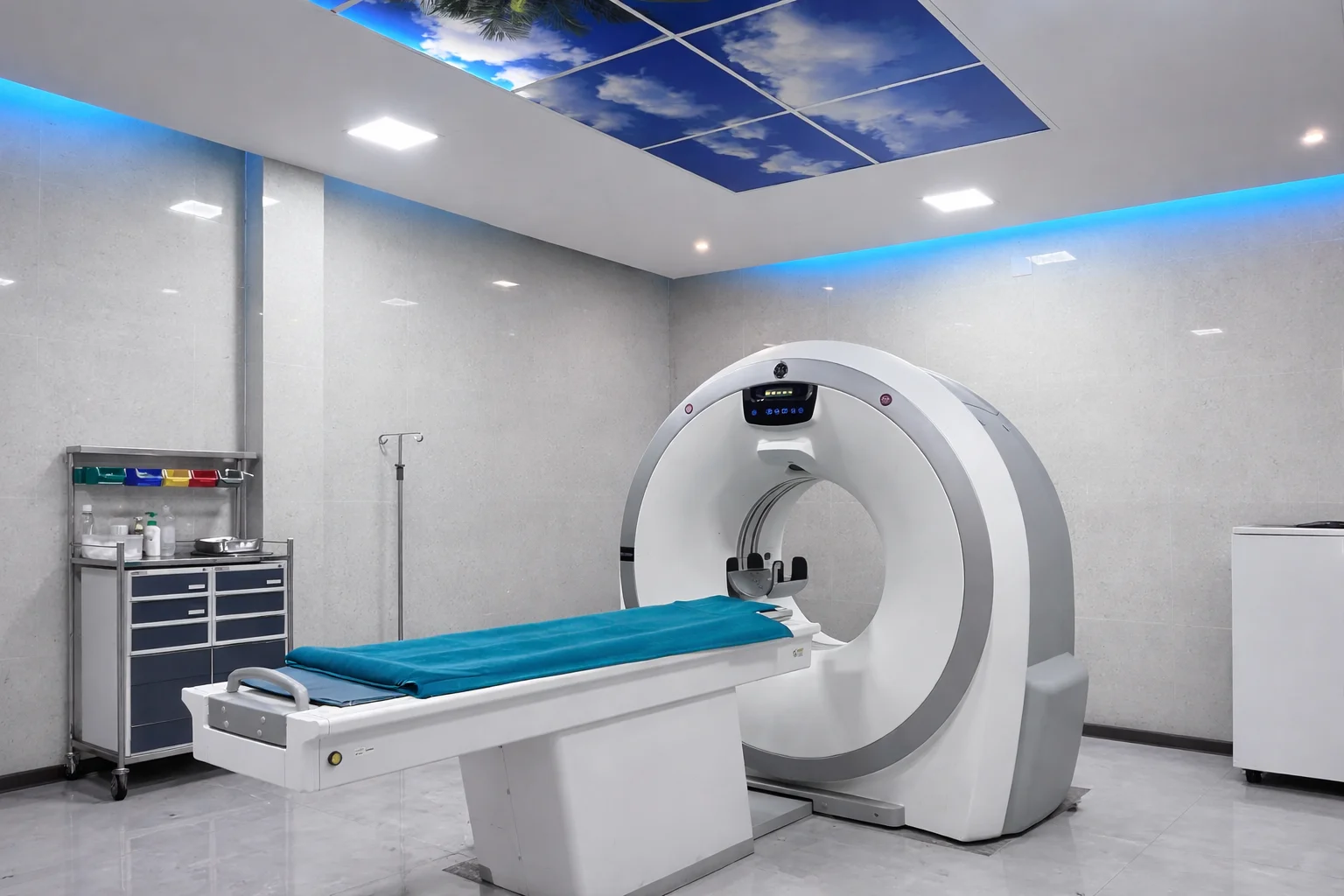
Radiology services are essential in modern healthcare, providing clear and detailed images of internal body structures to support accurate diagnosis. These advanced imaging techniques help doctors detect diseases early, guide treatment decisions, and monitor patient progress effectively.
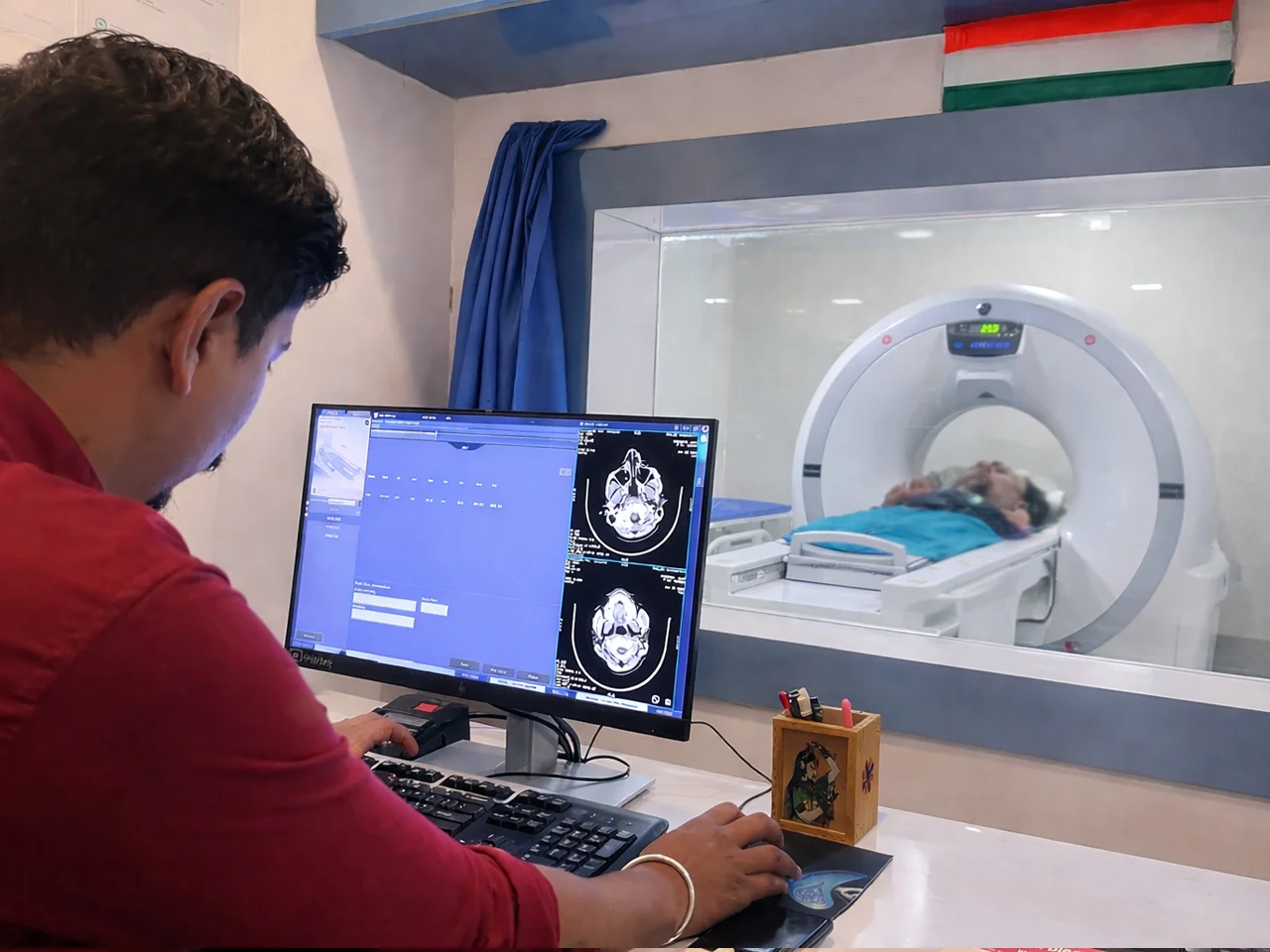
Our radiology department uses advanced technology to deliver safe, precise, and reliable imaging services. All procedures are performed by qualified professionals under strict quality and safety standards to ensure accurate results and patient comfort.
- Advanced imaging technology
- High diagnostic accuracy
- Fast scan & reporting
- Safe & controlled procedures
Radiology Services
Services Offered
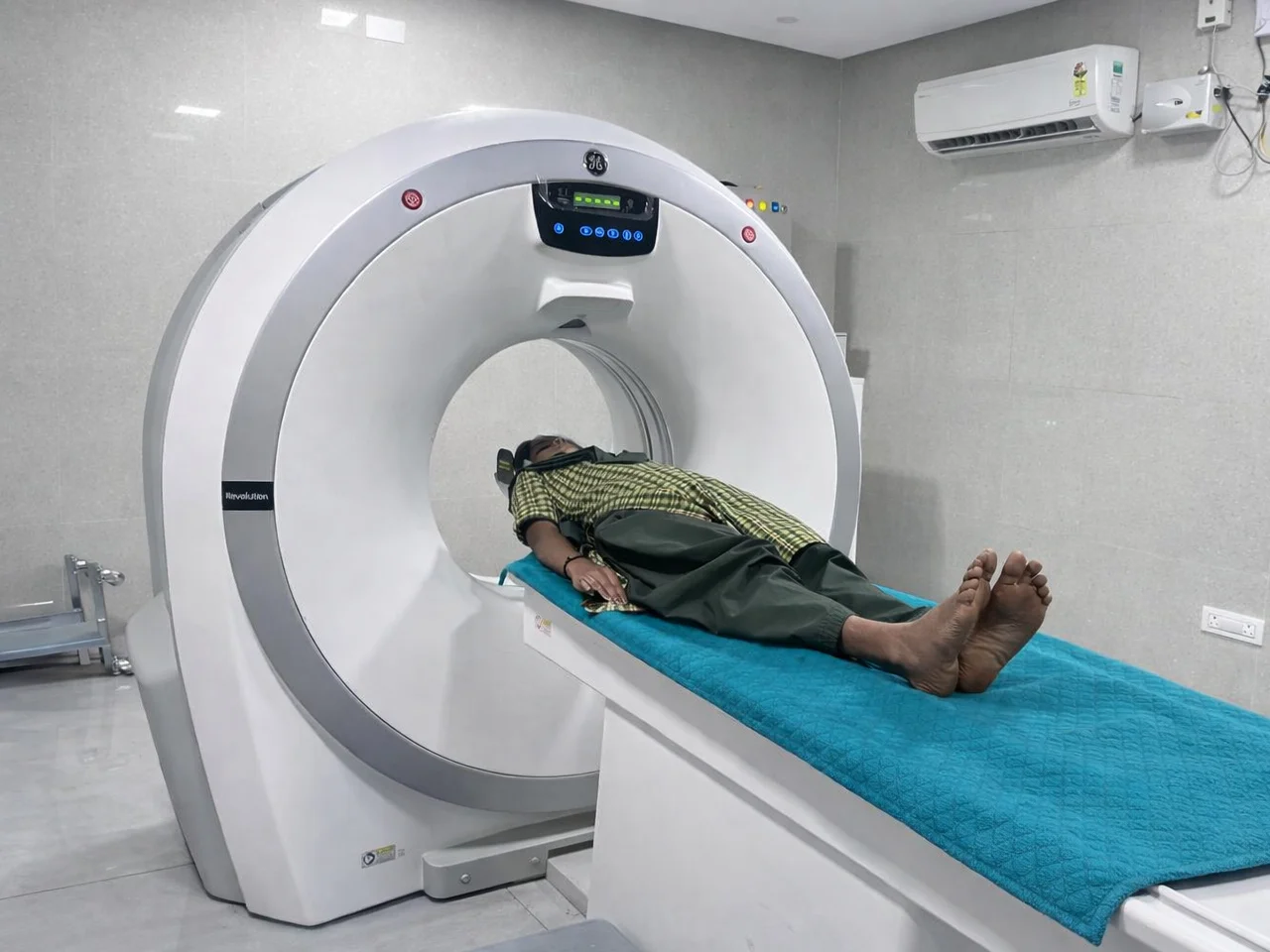
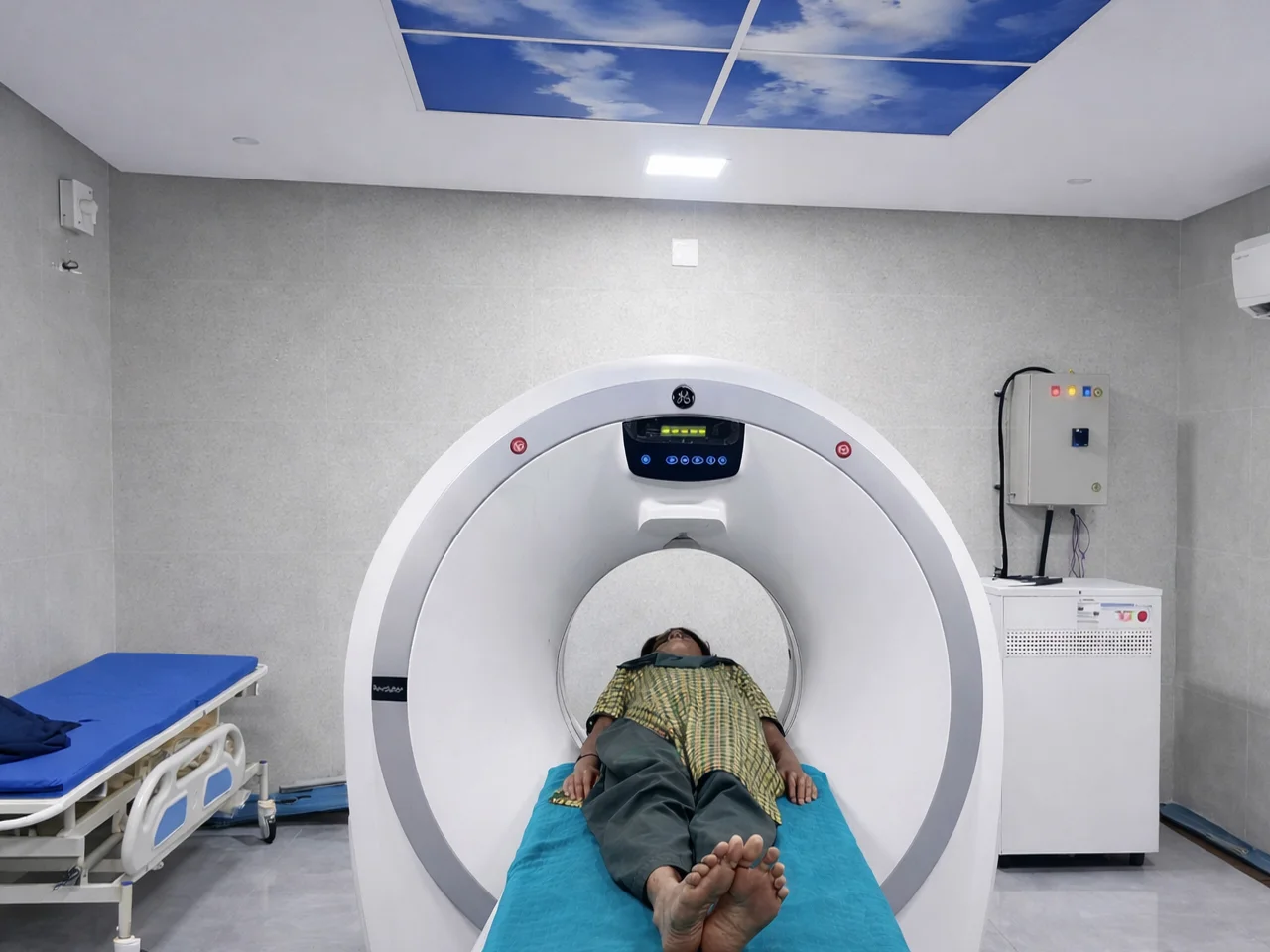
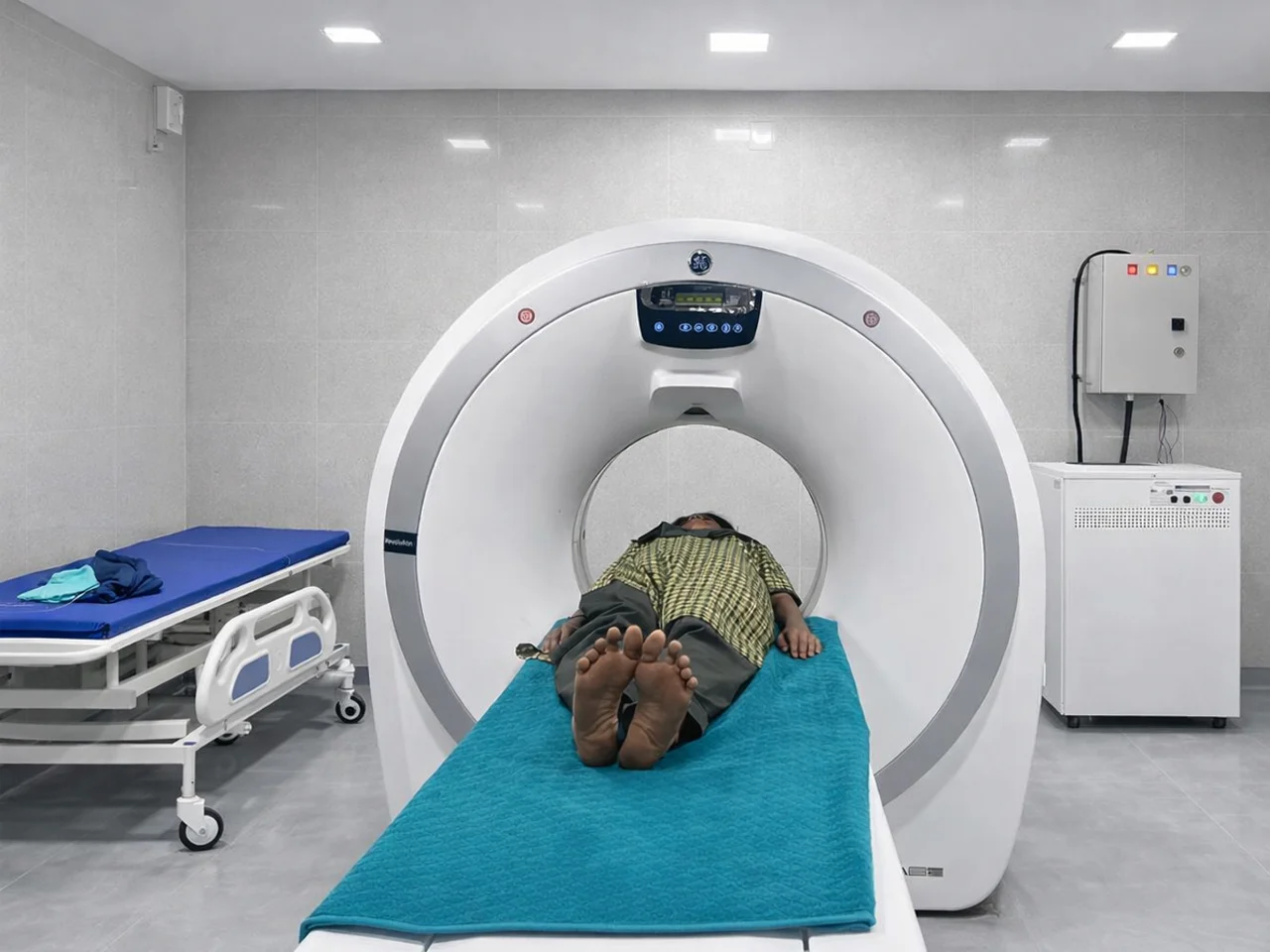
Advanced CT Scan
Advanced CT scans provide detailed cross-sectional images of internal organs, bones, and blood vessels. They are widely used for accurate diagnosis, disease staging, and treatment planning.
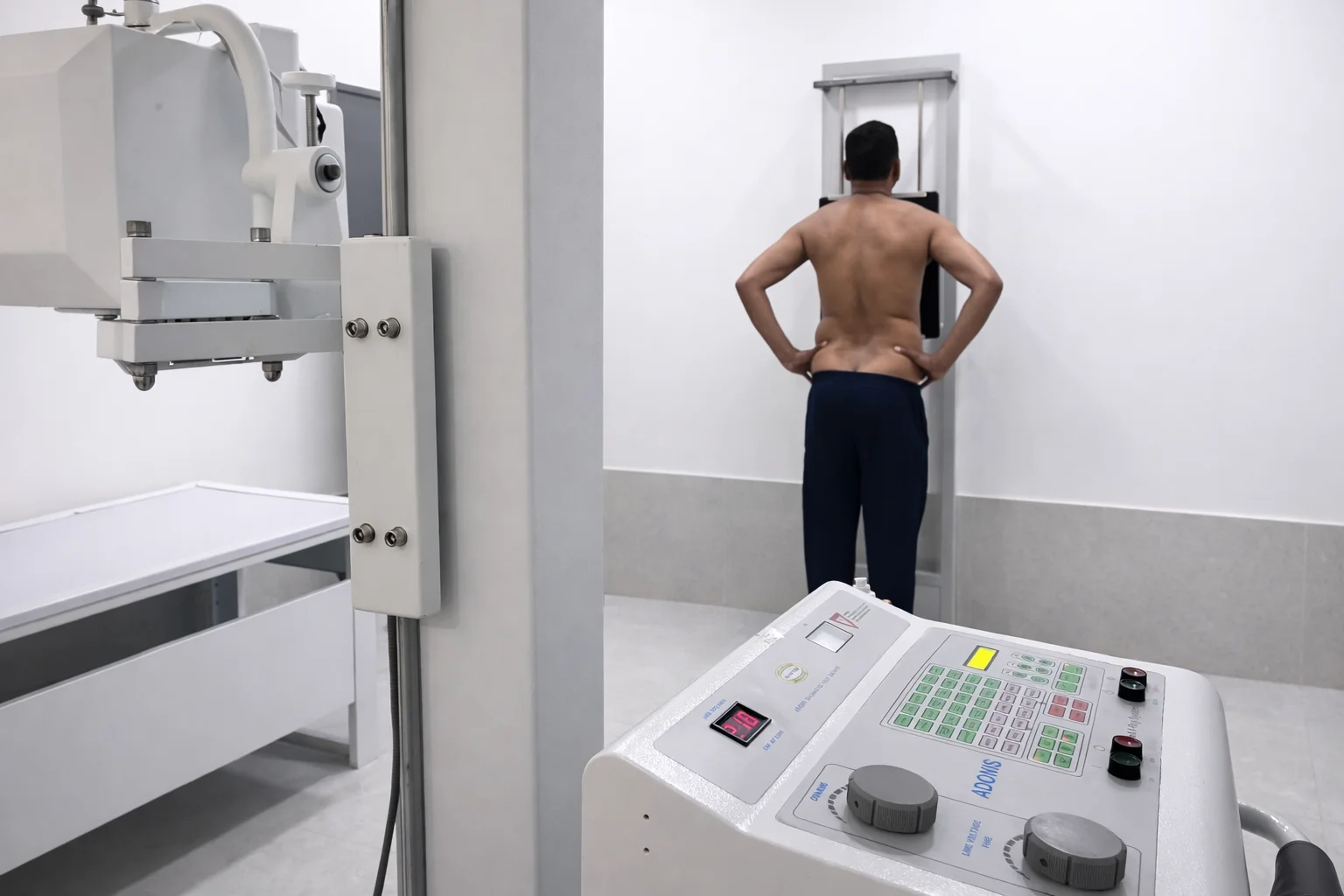
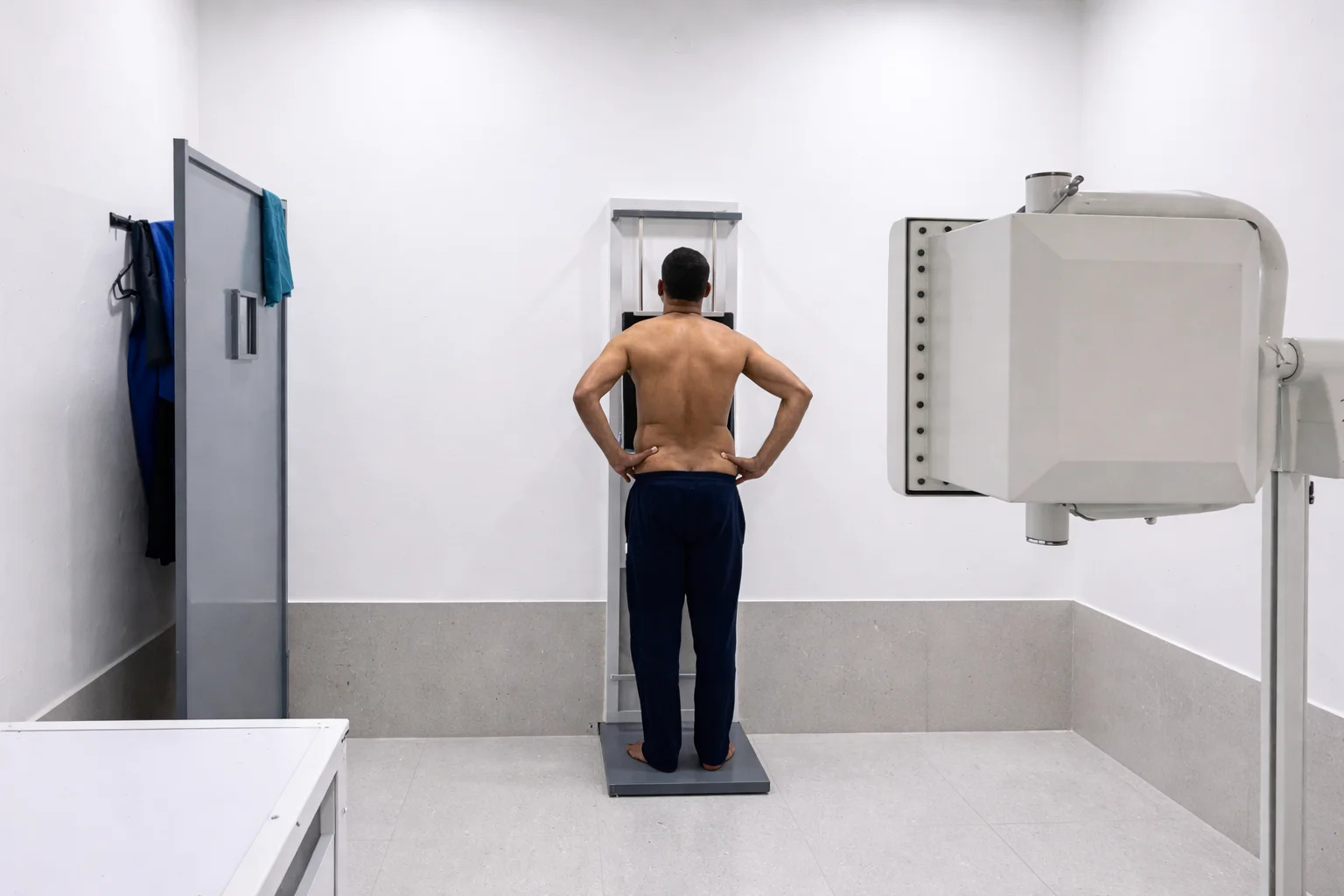
Digital X-Ray
Digital X-rays offer quick, clear images with lower radiation exposure. They are commonly used to detect fractures, chest conditions, joint problems, and infections.
Barium Studies
Barium studies enhance imaging of the gastrointestinal tract using contrast material. They help identify ulcers, blockages, tumors, and structural abnormalities.
Hysterosalpingography (HSG)
HSG is used to assess the uterus and fallopian tubes, especially in fertility evaluations. It helps detect blockages or structural issues affecting reproduction.
Urography (Ionic Contrast)
Urography evaluates the kidneys, ureters, and bladder using contrast dye. It assists in diagnosing stones, obstructions, and urinary tract disorders.
Special Radiology Procedures
These include specialized and contrast-based imaging tailored to specific diagnostic needs, performed with strict safety and quality standards.
Uses
- Detecting fractures, dislocations, and bone abnormalities
- Diagnosing tumors, cysts, abscesses, and infections
- Evaluating the structure and function of internal organs
- Imaging the urinary and reproductive systems
- Assessing gastrointestinal tract conditions and obstructions
- Assisting in surgical planning and interventional procedures
- Monitoring disease progression and treatment response
- Providing accurate confirmation of clinical diagnoses

When to Choose
- Patients experiencing unexplained pain or physical trauma
- Individuals requiring detailed evaluation of internal organs
- Patients suspected of fractures or bone-related disorders
- Individuals undergoing cancer diagnosis, staging, or follow-up
- Patients with suspected urinary tract abnormalities
- Women undergoing fertility assessments or uterine evaluations
- Patients requiring contrast-based diagnostic imaging
- Individuals referred by physicians for advanced diagnostic evaluation
Advanced Equipment
Facilities