Service
Endoscopy
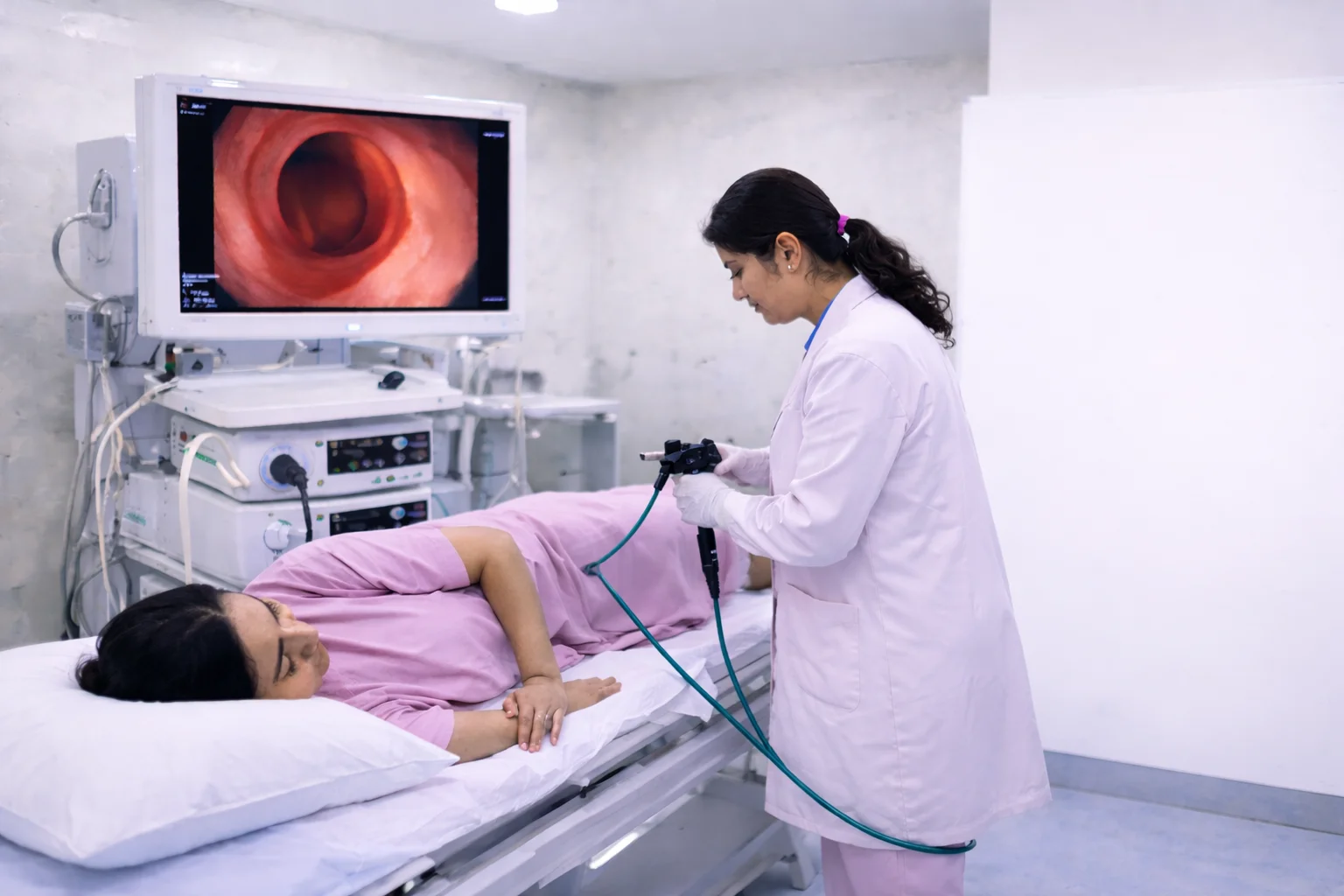
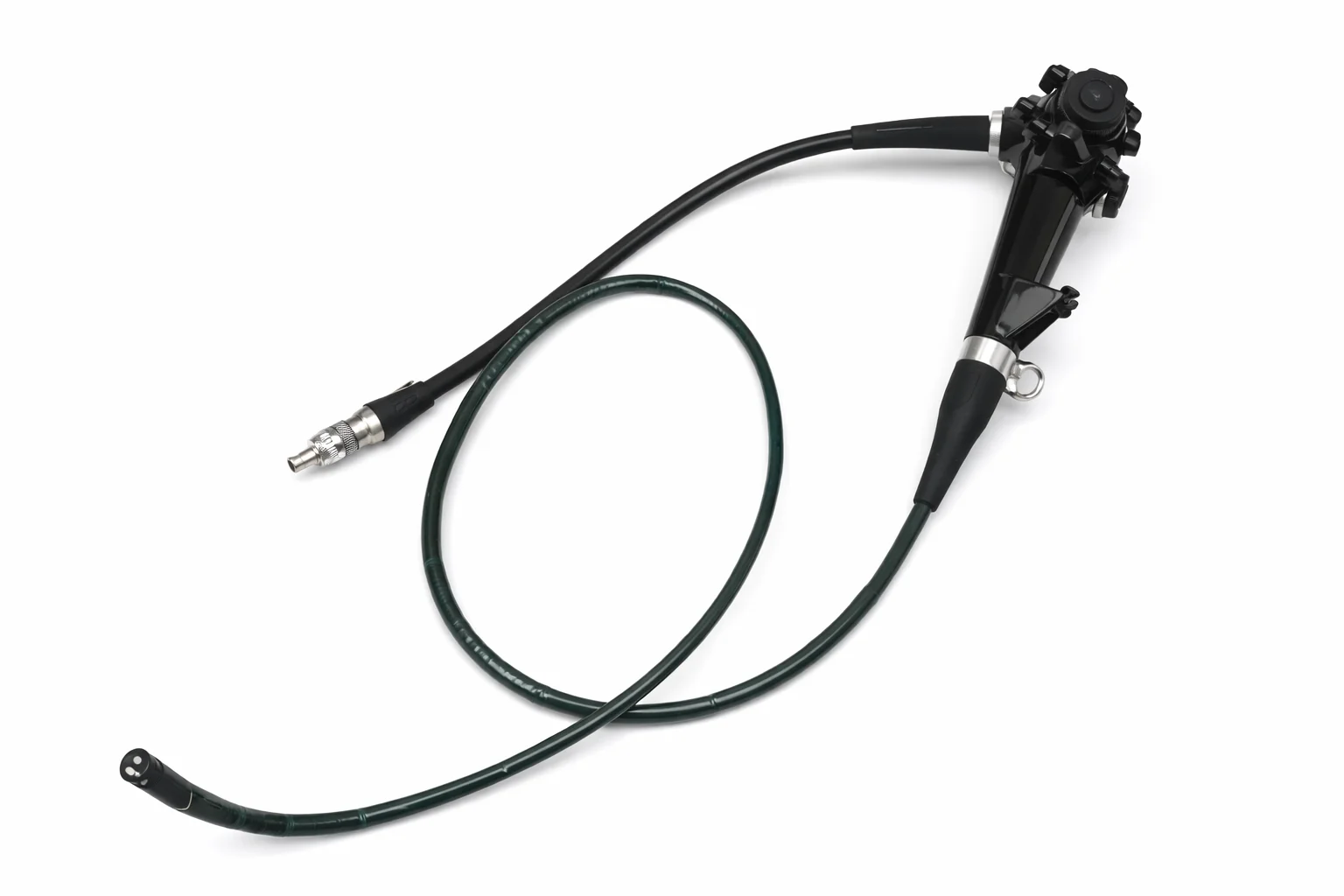
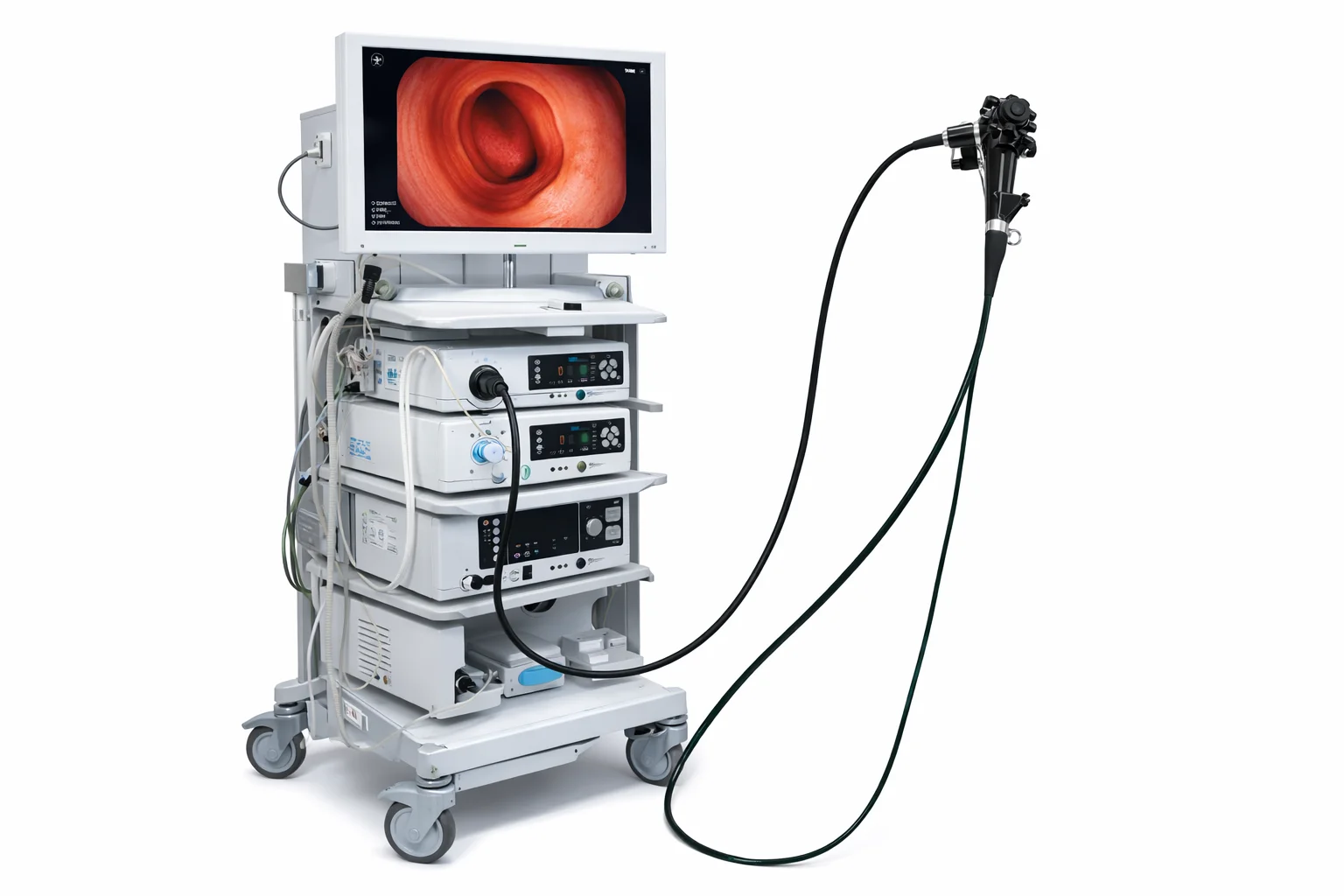
Endoscopy is a minimally invasive diagnostic procedure that allows doctors to view the internal organs of the digestive and respiratory systems with high clarity. Using advanced endoscopic equipment, our specialists can accurately identify conditions, assess abnormalities, and support early diagnosis for effective treatment planning.
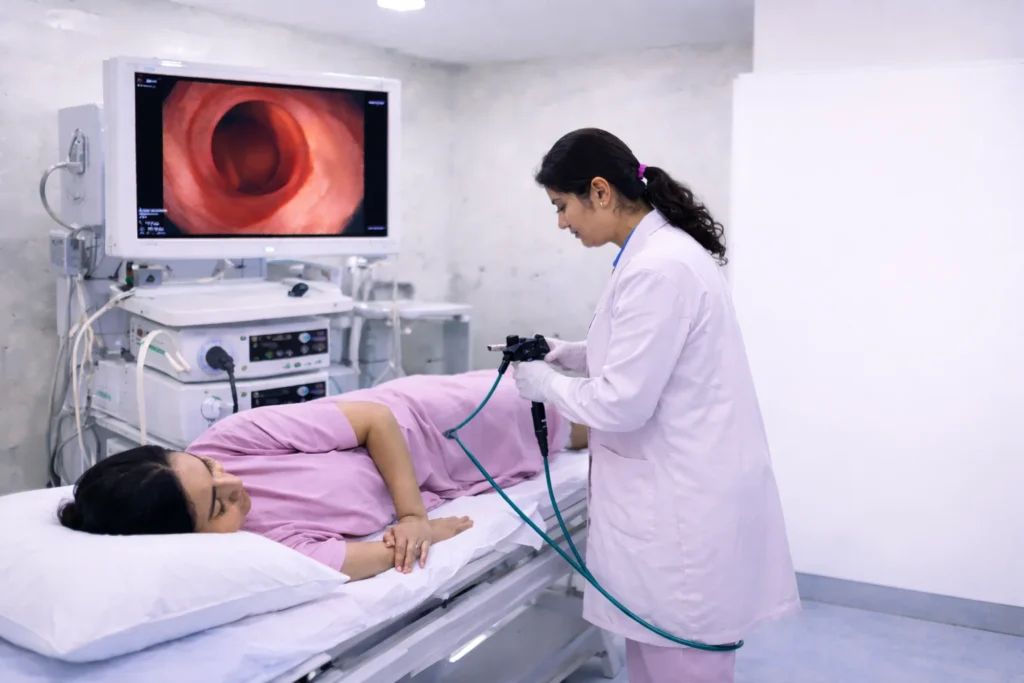
Our endoscopy services are performed using state-of-the-art technology to ensure patient safety, comfort, and precision. All procedures are conducted by experienced medical professionals under strict hygiene and quality protocols, delivering reliable results with minimal discomfort and quick recovery.
- Advanced endoscopic technology
- High diagnostic accuracy
- Minimally invasive & patient-friendly procedures
- Safe and sterile environment
Endoscopy Services
Services Offered
Upper GI Endoscopy
Upper gastrointestinal endoscopy allows direct visualization of the esophagus, stomach, and duodenum. It helps diagnose acidity, ulcers, gastritis, bleeding, infections, and early-stage cancers with high accuracy.
Colonoscopy
Colonoscopy examines the large intestine (colon) and rectum to detect polyps, inflammation, bleeding, and colorectal cancer. It is an effective procedure for both diagnosis and preventive screening.
Sigmoidoscopy
Sigmoidoscopy is used to examine the lower part of the colon. It helps identify causes of rectal bleeding, chronic diarrhea, abdominal pain, and bowel habit changes.
Bronchoscopy
Bronchoscopy enables doctors to examine the airways and lungs. It is useful for diagnosing infections, tumors, airway blockages, and unexplained respiratory symptoms.
Endoscopic Biopsy
During endoscopy, tissue samples can be safely collected for laboratory analysis. Biopsies help confirm infections, inflammatory conditions, and cancerous changes accurately.
Therapeutic Endoscopy Procedures
These include removal of polyps, control of bleeding, foreign body removal, and dilation of strictures. Procedures are minimally invasive and performed under strict safety standards.
Uses
- Detecting inflammation, ulcers, bleeding, and infections in the digestive tract
- Diagnosing conditions of the esophagus, stomach, intestines, and colon
- Identifying polyps, tumors, cysts, and early-stage cancers
- Evaluating causes of abdominal pain, acid reflux, nausea, and vomiting
- Assessing chronic diarrhea, constipation, and bowel habit changes
- Detecting sources of gastrointestinal bleeding or anemia
- Collecting tissue samples (biopsy) for accurate diagnosis
- Performing minimally invasive therapeutic procedures such as polyp removal

When to Choose
- Patients experiencing persistent abdominal pain or digestive discomfort
- Individuals with difficulty swallowing or chronic acid reflux
- Patients with unexplained weight loss, anemia, or gastrointestinal bleeding
- Individuals suspected of ulcers, gastritis, or intestinal blockages
- Patients undergoing screening for gastrointestinal cancers
- Individuals with chronic bowel symptoms such as diarrhea or constipation
- Patients requiring biopsy or follow-up of abnormal imaging findings
- Individuals referred by physicians for detailed internal examination
Advanced Equipment
Facilities