Service
Cardiology
Cardiology studies are essential diagnostic tests used to assess heart structure, rhythm, and function. These non-invasive and minimally invasive tests help in early detection of heart disease and ongoing cardiac monitoring.
Our cardiology services are conducted using advanced equipment and interpreted by experienced specialists to ensure reliable and timely diagnosis.
- Comprehensive heart evaluation
- Non-invasive testing
- Early detection of heart issues
- Reliable monitoring & reports
Ultrasound Imaging Services
Services Offered
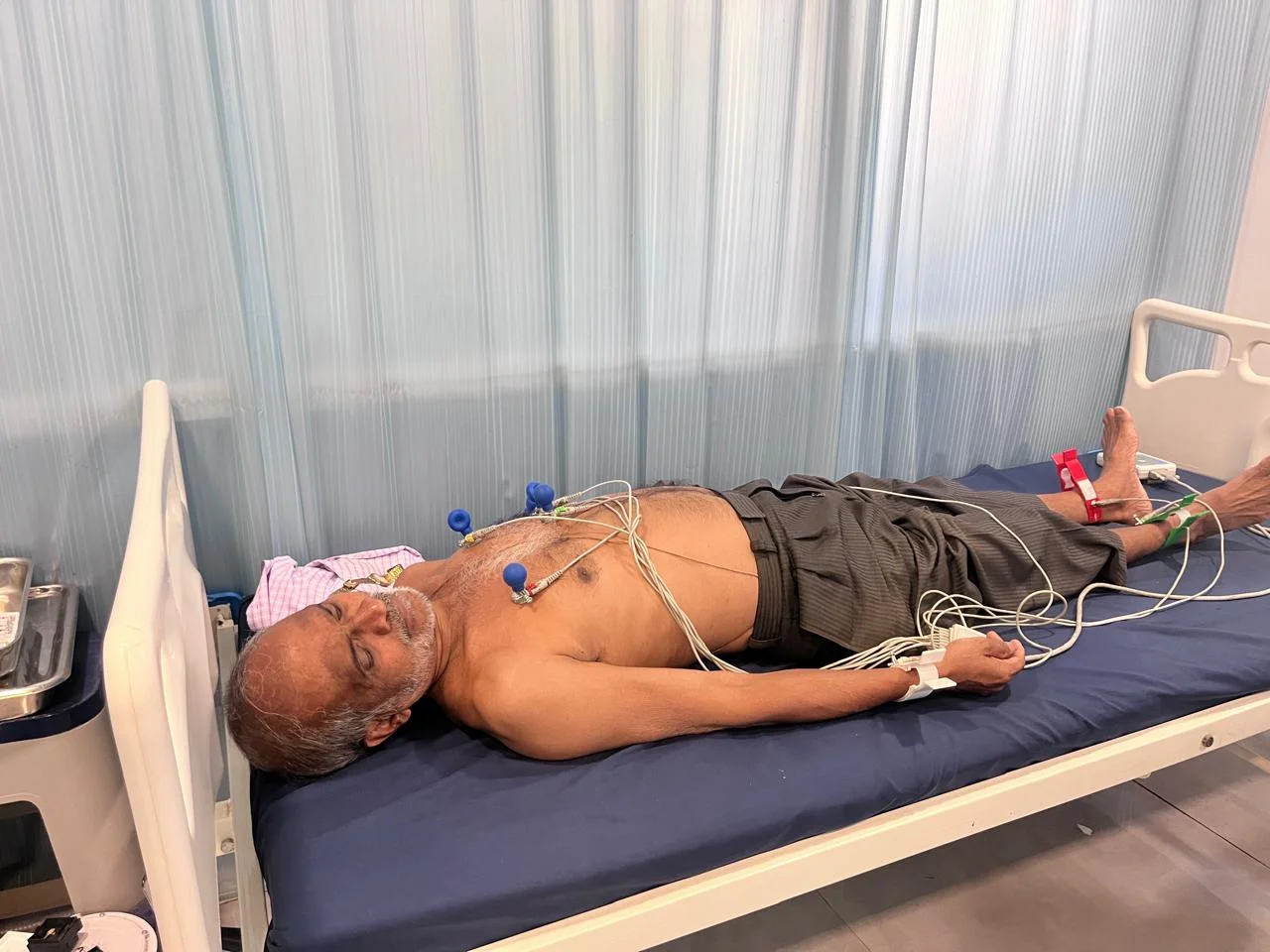
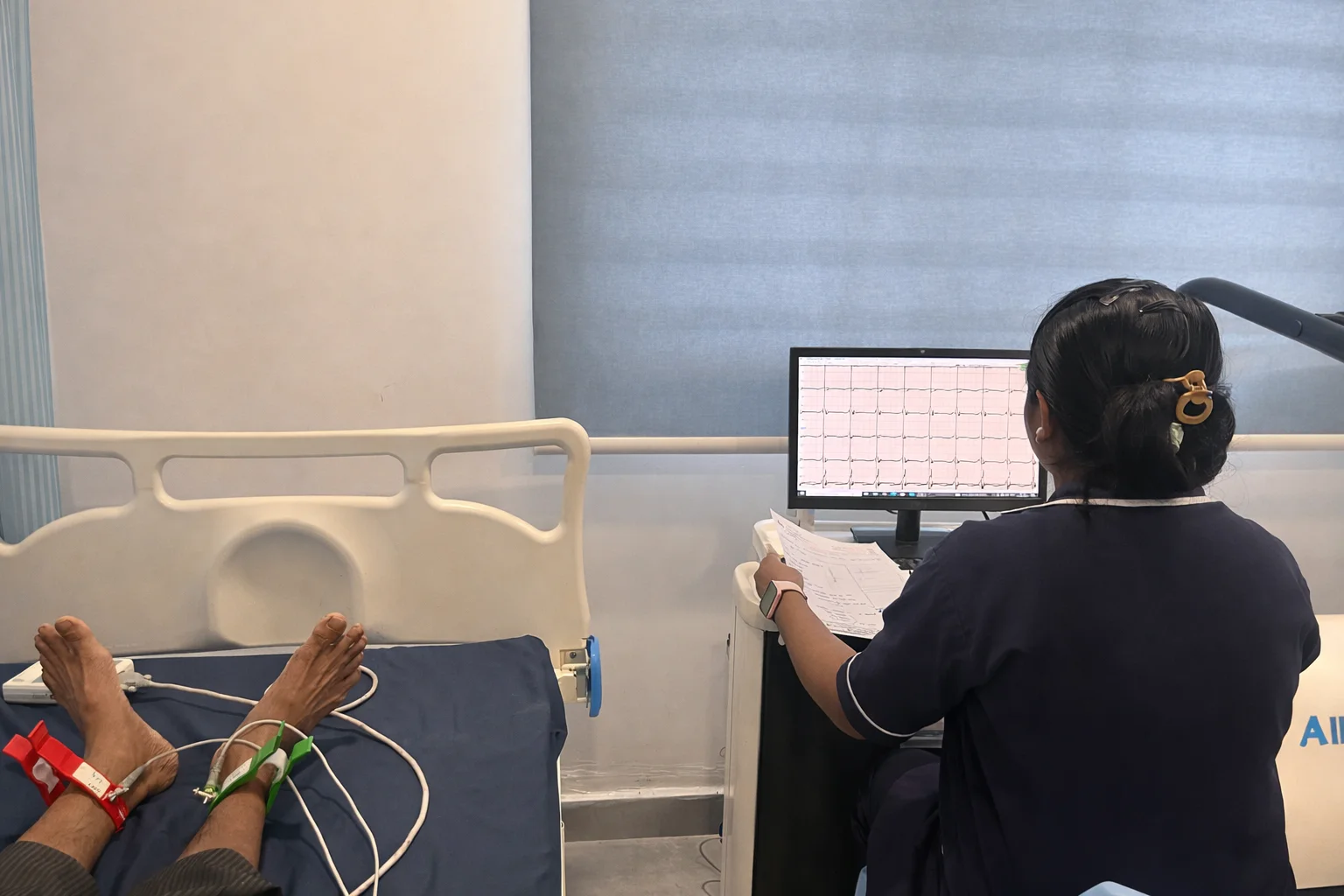
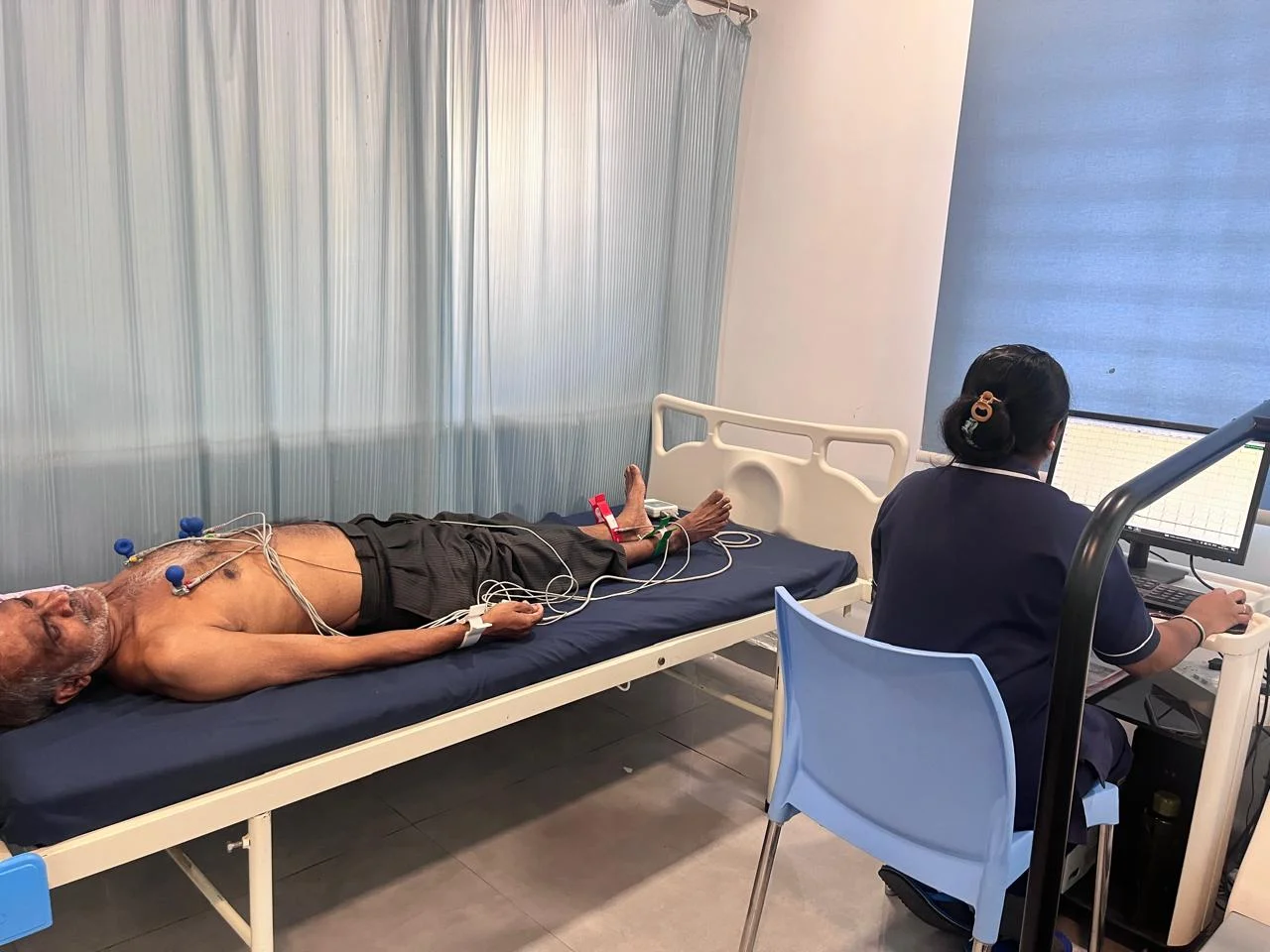
Electrocardiogram (ECG)
A quick, non-invasive test that records the electrical activity of the heart to detect rhythm disorders, heart attacks, and conduction problems. It is commonly used as an initial screening test for cardiac symptoms.
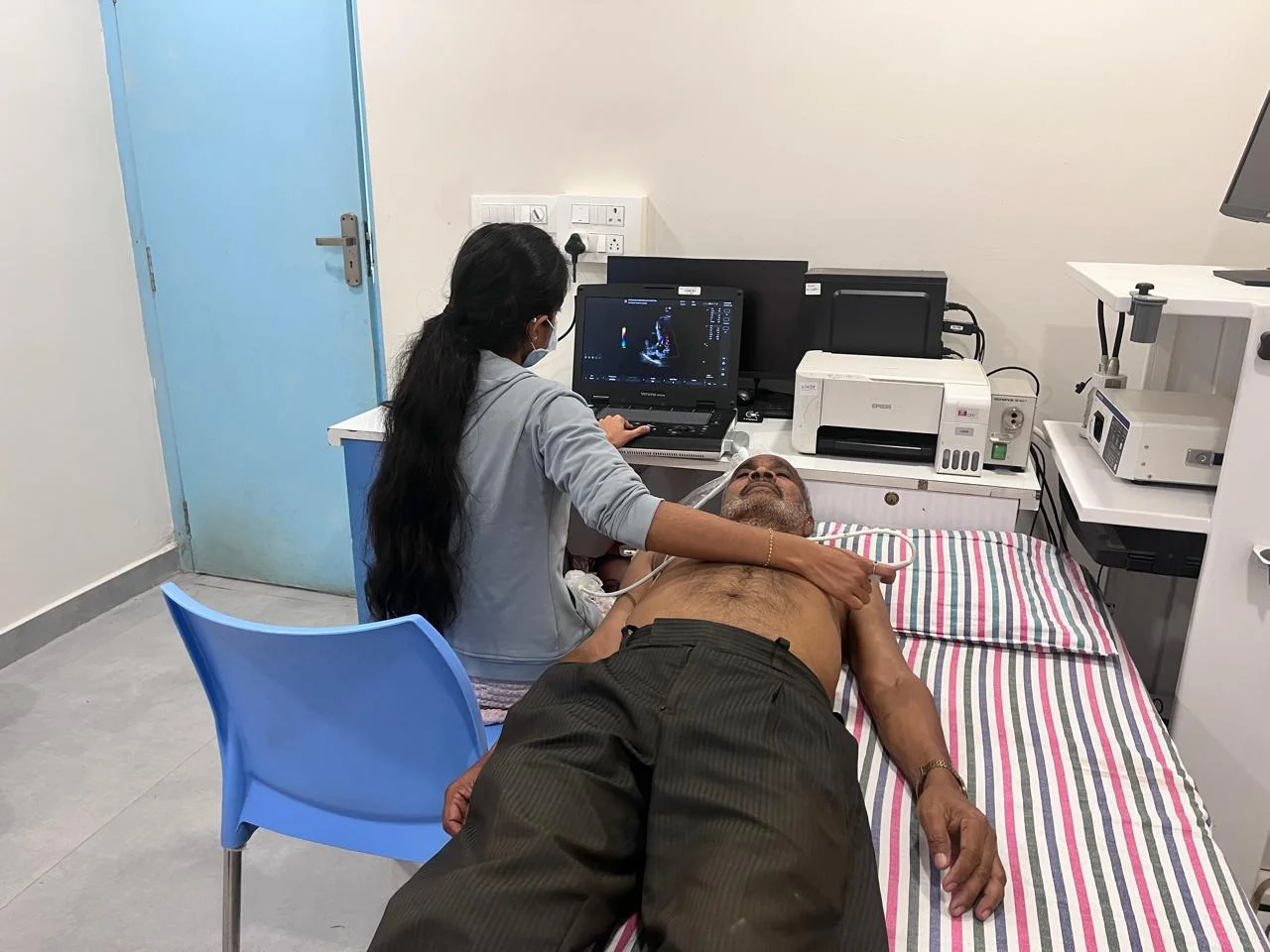
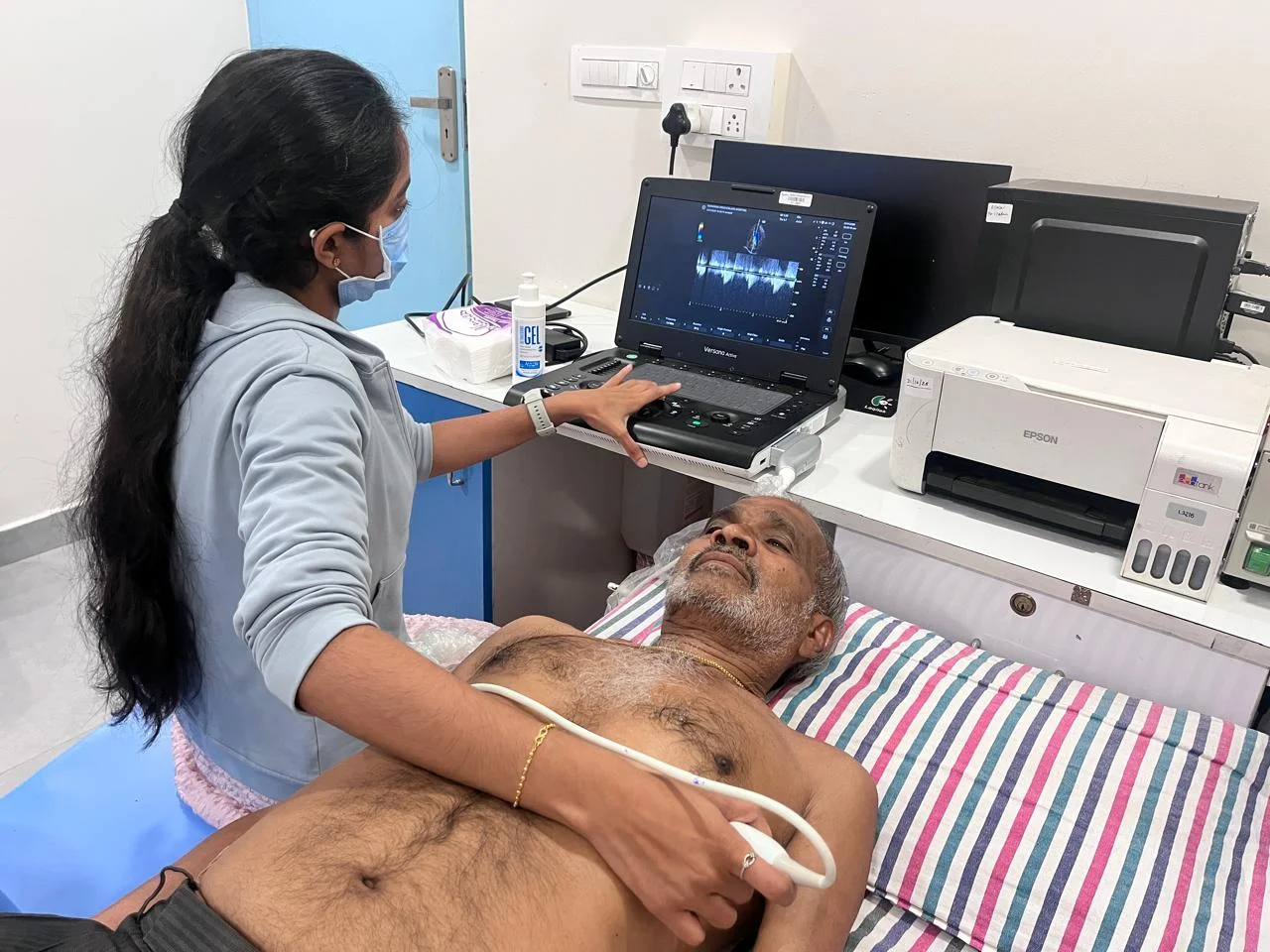
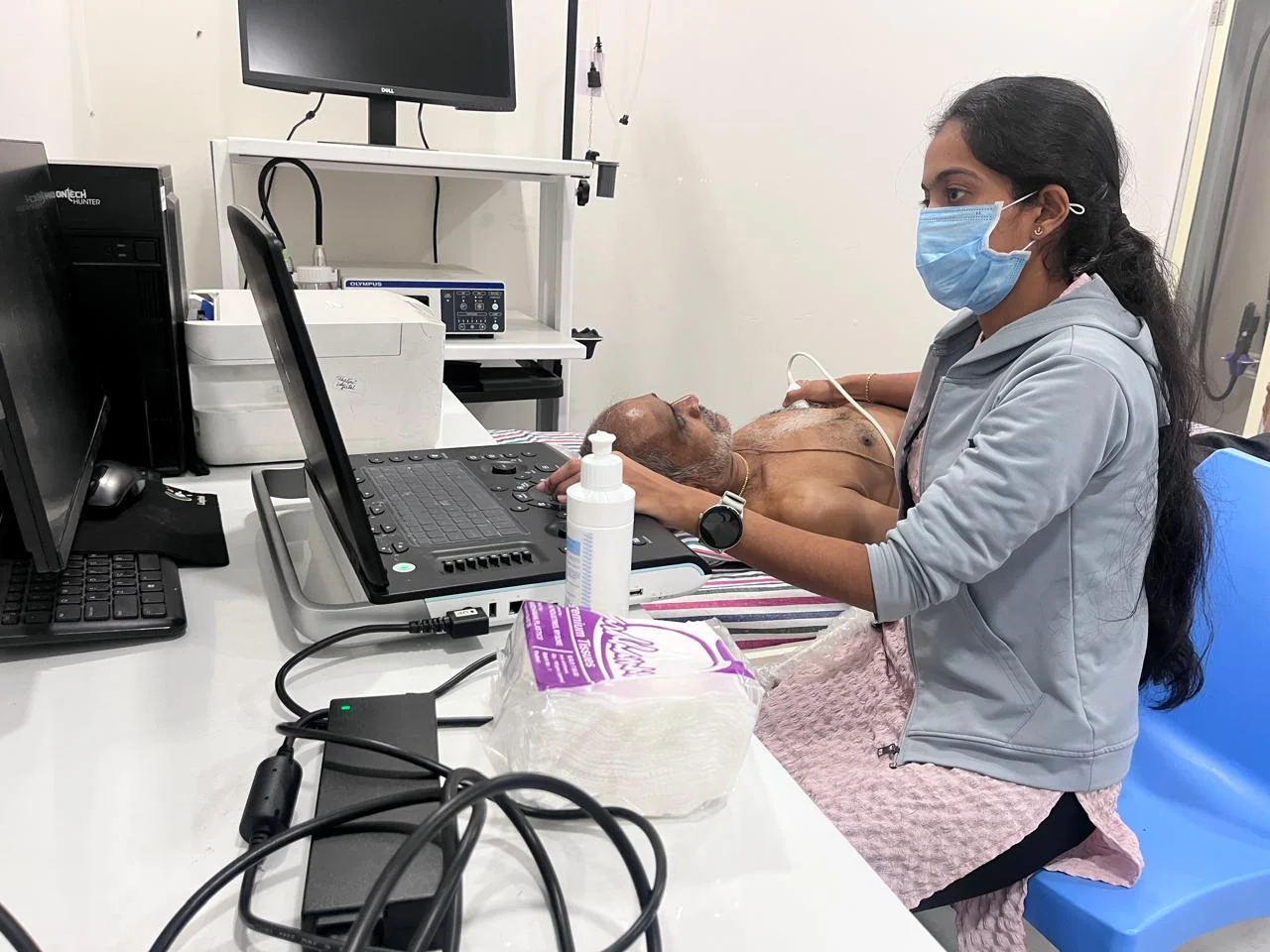
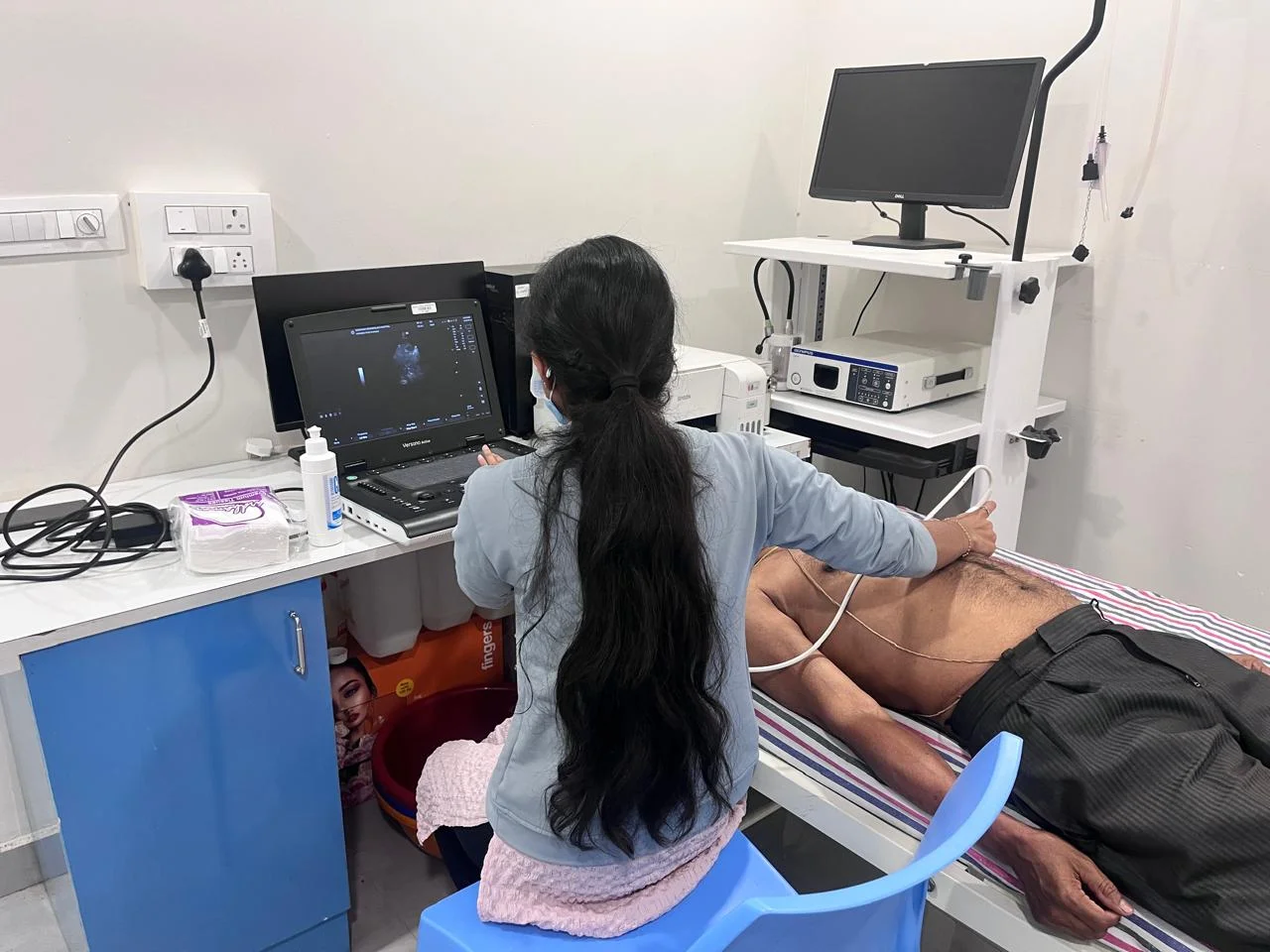
Echocardiography (ECHO)
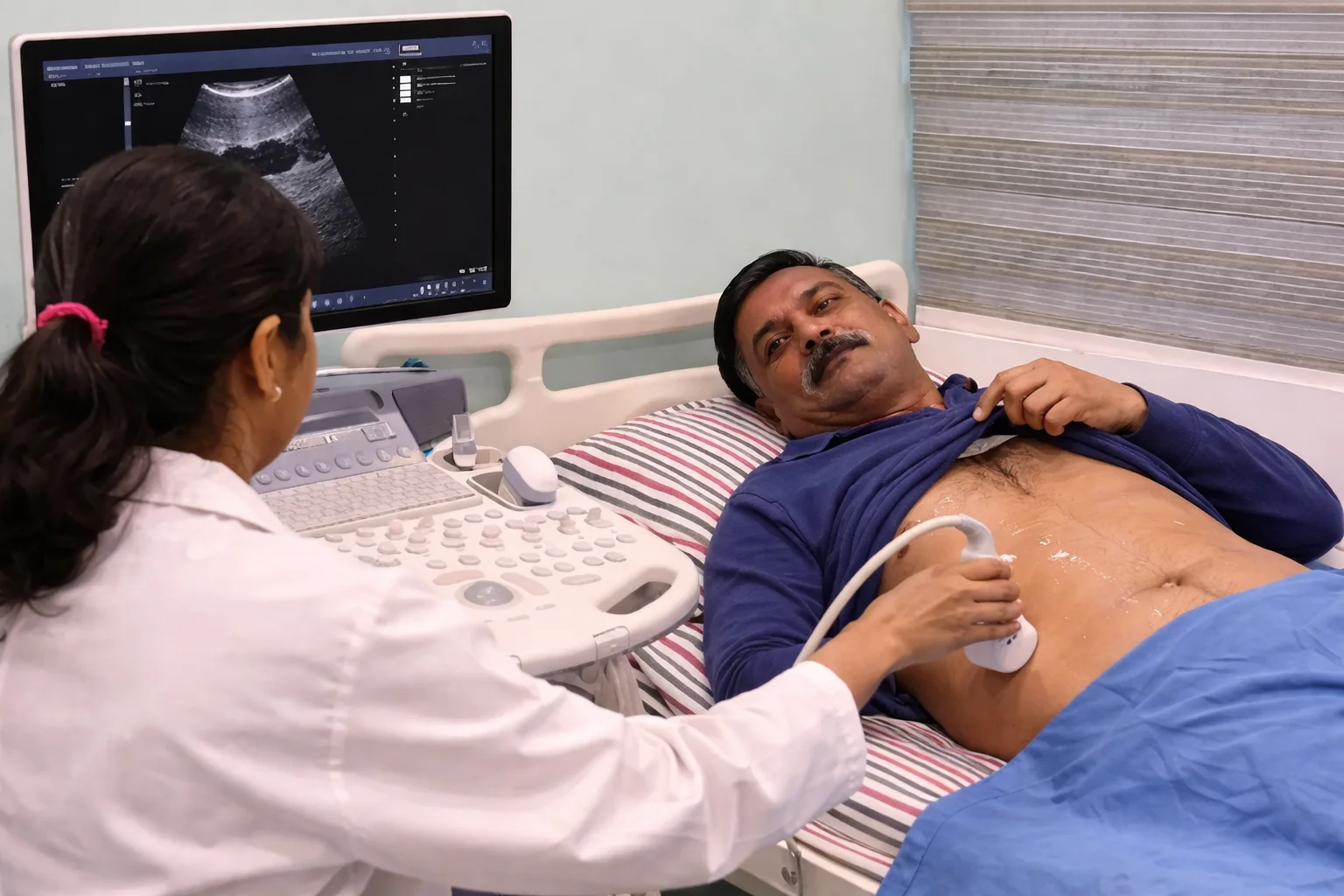
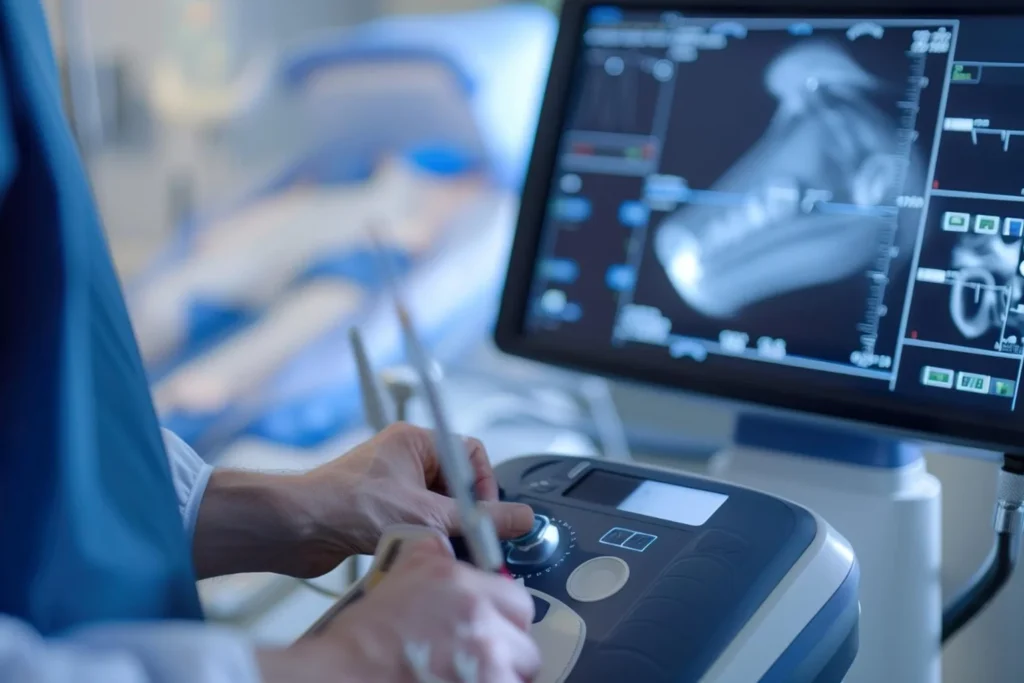
Ultrasound imaging of the heart used to evaluate heart chambers, valves, and pumping function. It provides detailed real-time assessment of cardiac structure and performance.
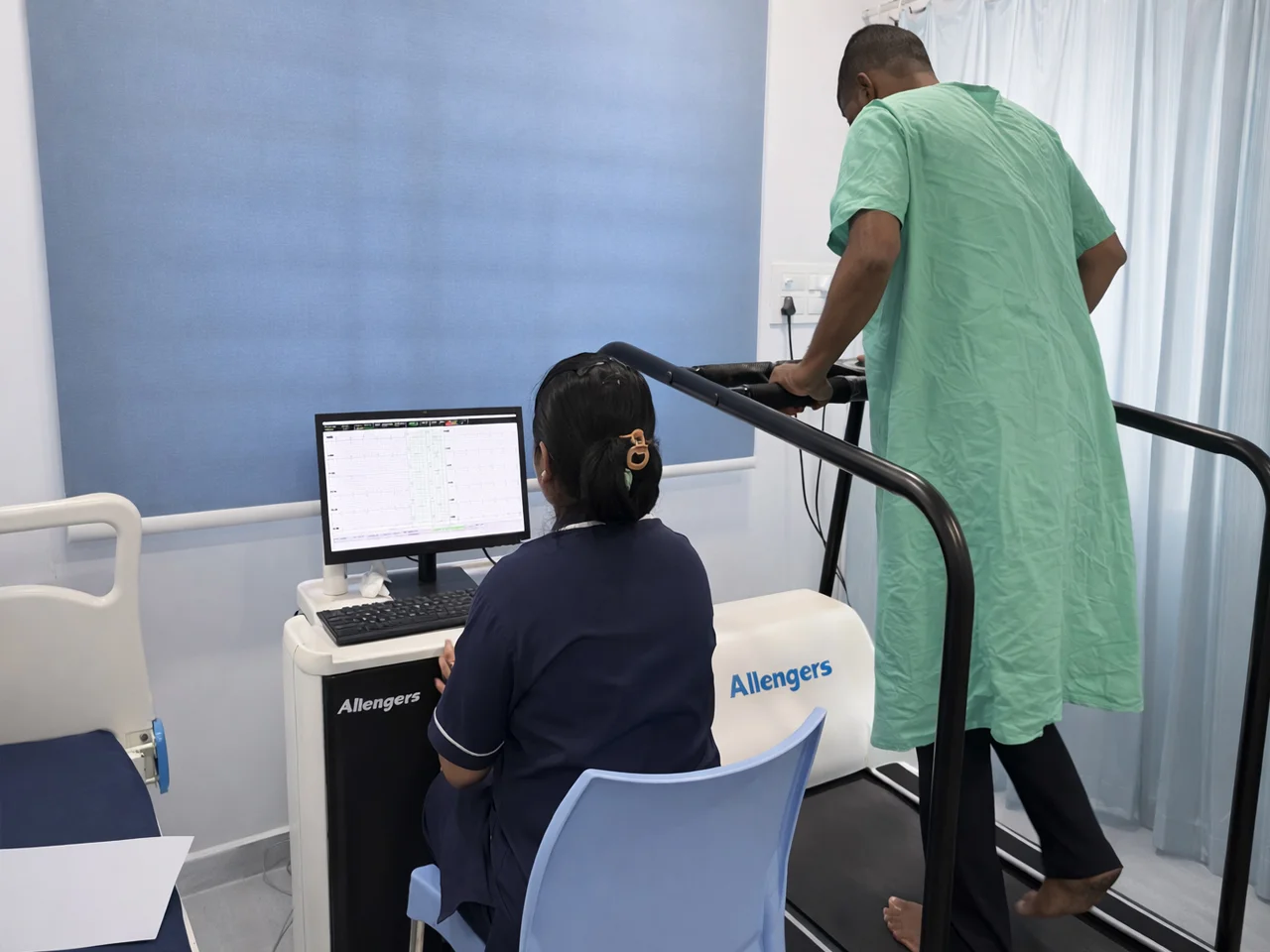
Treadmill Test (TMT)
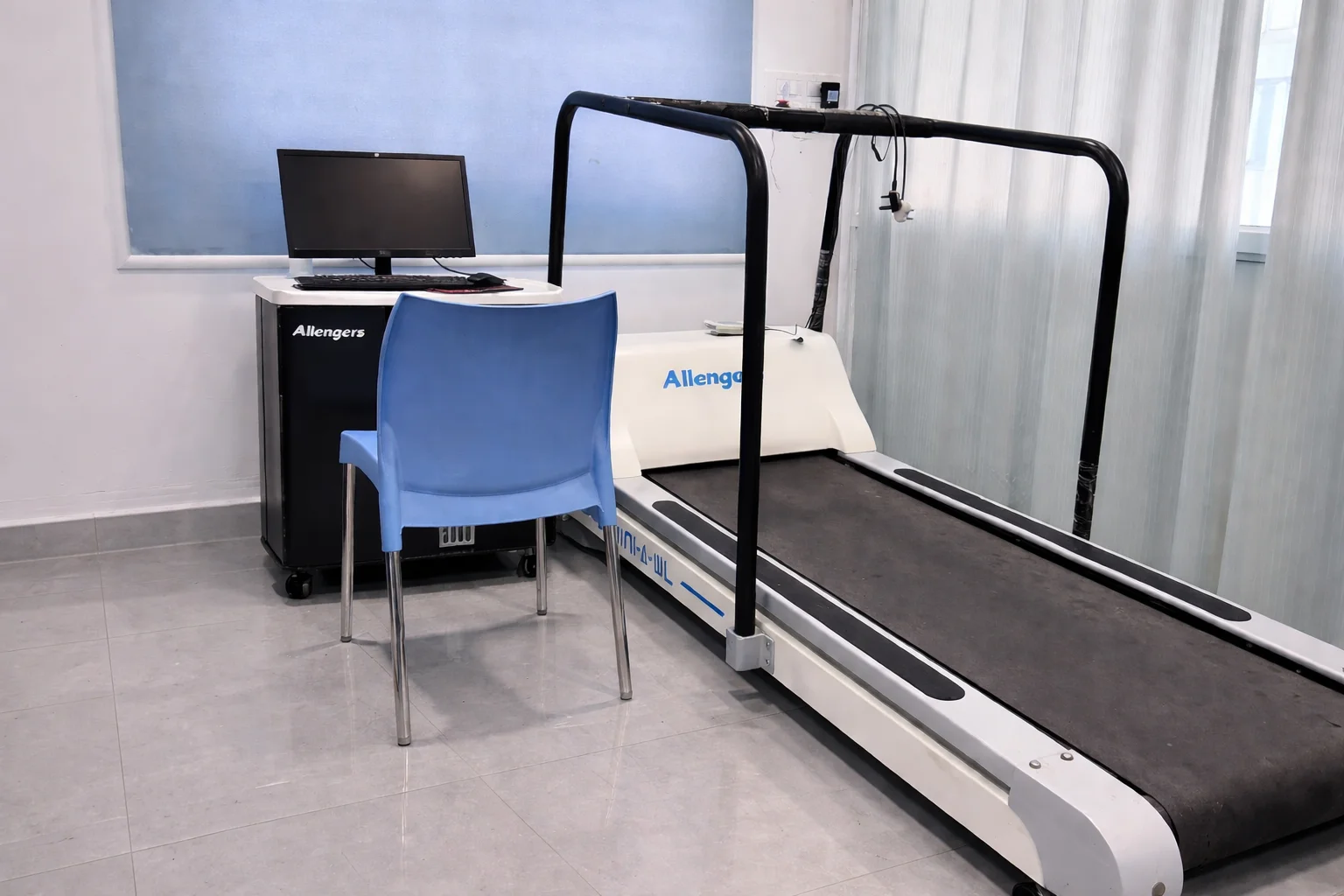
Assesses heart function during physical activity to identify coronary artery disease. It also helps evaluate exercise tolerance and cardiac response to stress.
Holter Monitoring
Continuous 24–48 hour ECG recording used to detect intermittent arrhythmias and irregular heart rhythms. It is especially helpful when symptoms occur occasionally or unpredictably.
Blood Pressure Monitoring
Used to diagnose and monitor high blood pressure through regular or ambulatory measurements. It supports effective treatment planning and long-term cardiovascular risk control.
Preventive Cardiology Services
Focuses on early detection of cardiovascular risk factors such as high cholesterol and lifestyle-related conditions. These services help reduce the risk of future heart disease.
Uses
- Detecting heart rhythm abnormalities
- Assessing heart muscle and valve function
- Evaluating cardiac blood supply
- Monitoring heart response to physical stress
- Diagnosing congenital heart conditions
- Long-term heart rhythm monitoring
- Supporting treatment planning
- Preventing cardiac emergencies through early detection

When to Choose
- Patients with chest pain or shortness of breath
- Individuals with high blood pressure or diabetes
- Patients with irregular heartbeat
- Individuals with a family history of heart disease
- Patients experiencing dizziness or fainting
- Individuals advised pre-surgery cardiac evaluation
- Athletes requiring cardiac fitness assessment
- Patients under long-term cardiac follow-up
Advanced Equipment
Facilities